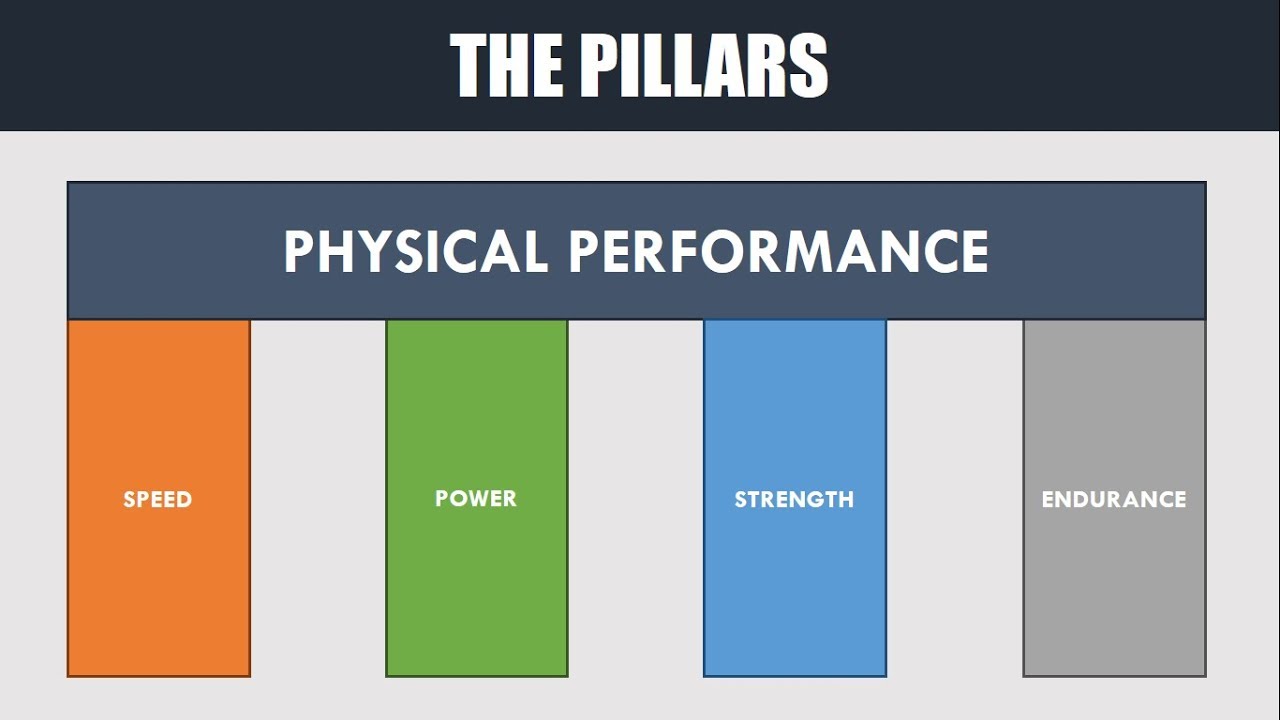
Athletic performance is built on strength, power, speed, endurance, mobility, recovery, and mental focus. This guide breaks down the key components and explains how each is trained, setting the foundation for athletes, teens, adults, and coaches.
Understanding Athletic Performance: The Key Components That Drive Results
Athletic performance is often thought of as talent, hard work, or genetics—but in reality, it’s a combination of physical, mental, and recovery-based qualities that work together to help the body perform, adapt, and improve. This applies to competitive athletes, recreational adults, teenagers, and coaches alike.
Whether the goal is winning competitions, improving fitness, or simply moving better and staying healthy, athletic performance follows the same fundamental principles. This article provides a scientific yet practical overview of the key components that influence performance. Each component will be explored in greater depth in separate articles.
1. Strength
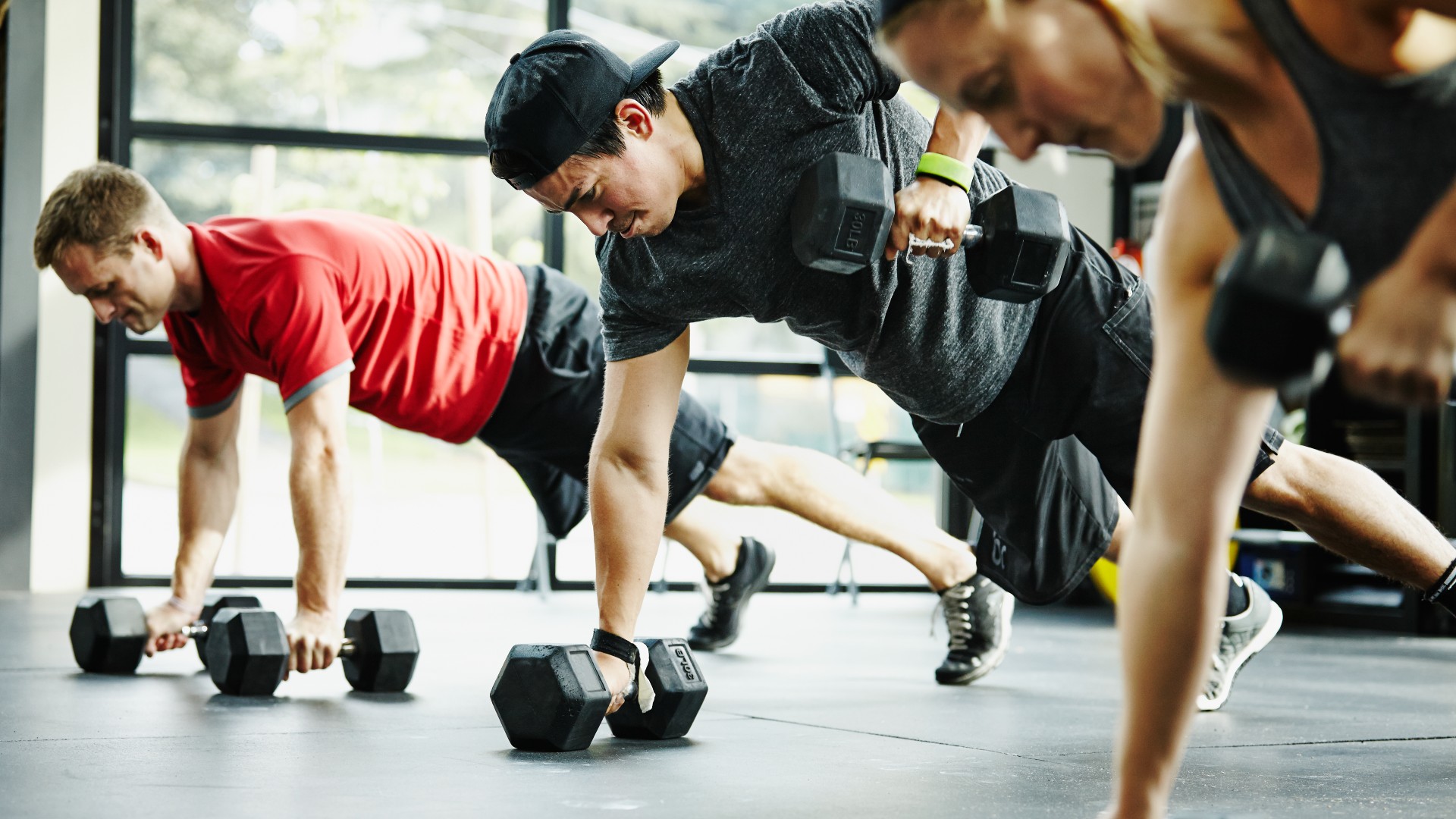
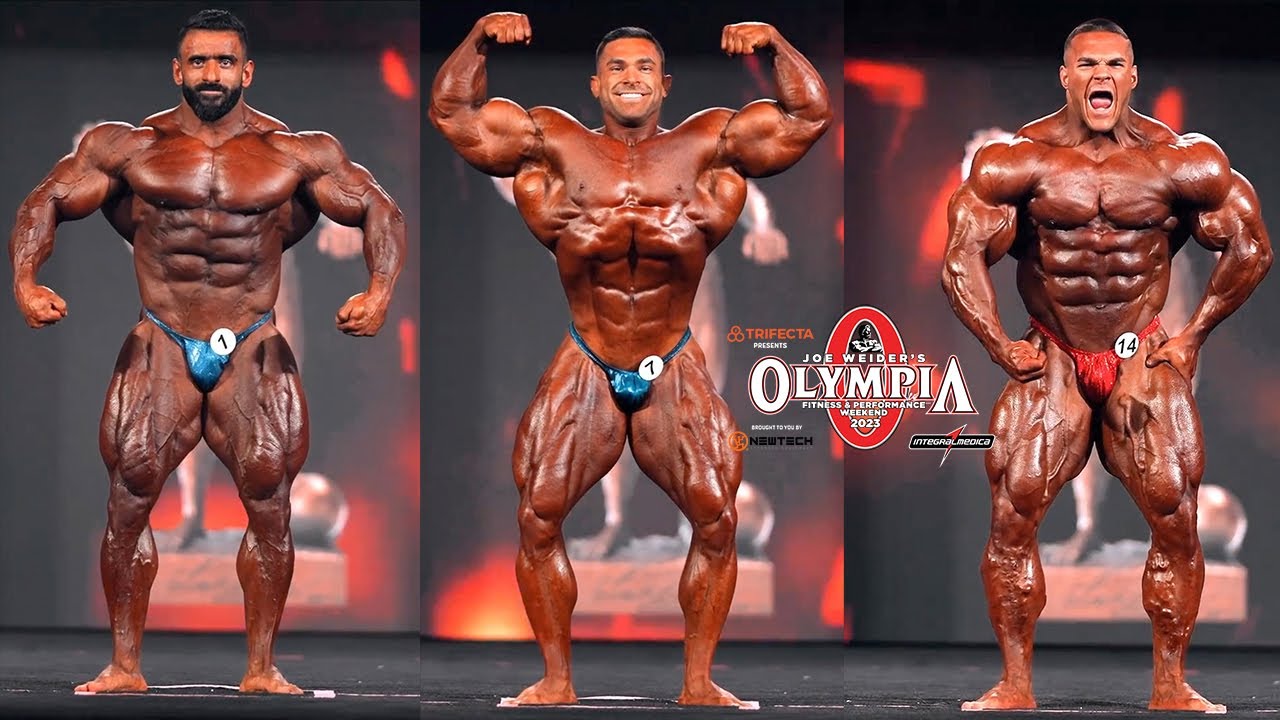
Strength is the ability of the neuromuscular system to produce force. It underpins almost every athletic action—running, jumping, throwing, lifting, and changing direction. Higher strength levels generally improve performance and reduce injury risk when trained appropriately.
How it’s trained (briefly):
- Resistance training using weights, bodyweight, or bands
- Progressive overload over time
- Emphasis on compound movements (squats, hinges, presses, pulls)
2. Power
Power is the ability to apply force quickly. It’s what allows athletes to sprint, jump, strike, or throw explosively. Power depends on both strength and speed, making it critical for most sports.
How it’s trained (briefly):
- Plyometric exercises (jumps, hops, bounds)
- Medicine ball throws and explosive lifts
- Speed-focused resistance training
3. Speed
Speed refers to how fast the body can move or react. It includes acceleration, maximal velocity, and reaction time. Speed is influenced by mechanics, strength, coordination, and nervous system efficiency.
How it’s trained (briefly):
- Short sprints with full recovery
- Technique and running mechanics drills
- Strength and power development
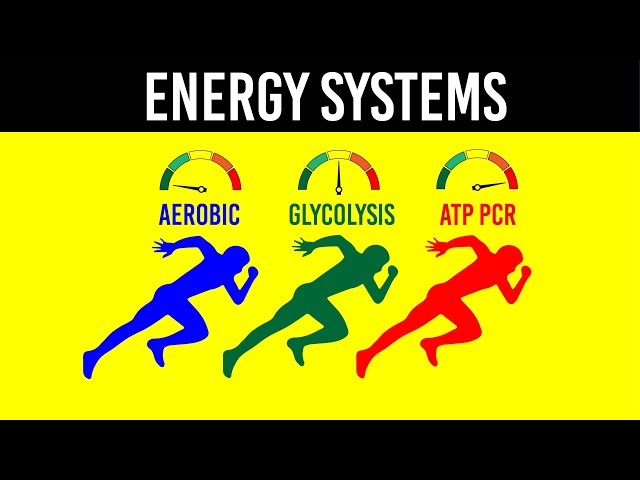
4. Endurance
Endurance is the ability to sustain effort over time. Different sports require different types of endurance, ranging from long-duration aerobic capacity to repeated high-intensity efforts.
How it’s trained (briefly):
- Aerobic conditioning (steady-state training)
- Interval and tempo training
- Sport-specific conditioning methods
5. Agility & Coordination
Agility is the ability to change direction efficiently, while coordination refers to how well the brain and body work together to control movement. These qualities are essential in dynamic, unpredictable sports environments.
How it’s trained (briefly):
- Change-of-direction drills
- Reactive and decision-based exercises
- Sport-specific movement patterns
6. Mobility & Flexibility
Mobility is the ability to move joints through their full range of motion with control. Flexibility supports mobility and helps maintain movement quality. Together, they contribute to efficient mechanics and injury prevention.
How it’s trained (briefly):
- Dynamic stretching and mobility drills
- Strength training through full ranges of motion
- Consistent joint-specific work
7. Recovery
Recovery is where adaptation happens. Training provides the stimulus, but recovery determines progress. Without adequate recovery, performance plateaus and injury risk increases.
How it’s supported (briefly):
- Sufficient sleep and stress management
- Proper nutrition and hydration
- Rest days and intelligent training load management
8. Mental Performance
Mental performance includes focus, confidence, emotional regulation, and decision-making under pressure. These factors strongly influence consistency and competitive outcomes.
How it’s trained (briefly):
- Goal setting and visualization
- Developing routines and self-awareness
- Exposure to competitive and challenging environments
Final Thoughts
Athletic performance is not built by training one quality in isolation. It’s the result of balanced, intentional development based on the athlete’s age, experience level, sport demands, and goals.
This article serves as a foundation. Each component outlined here will be expanded into dedicated articles that explore training methods, progressions, and practical application for athletes, teens, adults, and coaches.
Yosri Gam
Member of the Harissa Fit Club team, sharing insights and inspiration for your fitness journey.
View All Posts