Bodybuilding focuses on hypertrophy and isolation training to maximize muscle growth and aesthetics. This article explores its philosophy, benefits, limitations, and common injury risks.
The Bodybuilding Philosophy: Hypertrophy, Isolation, and the Real Cost of Muscle Growth
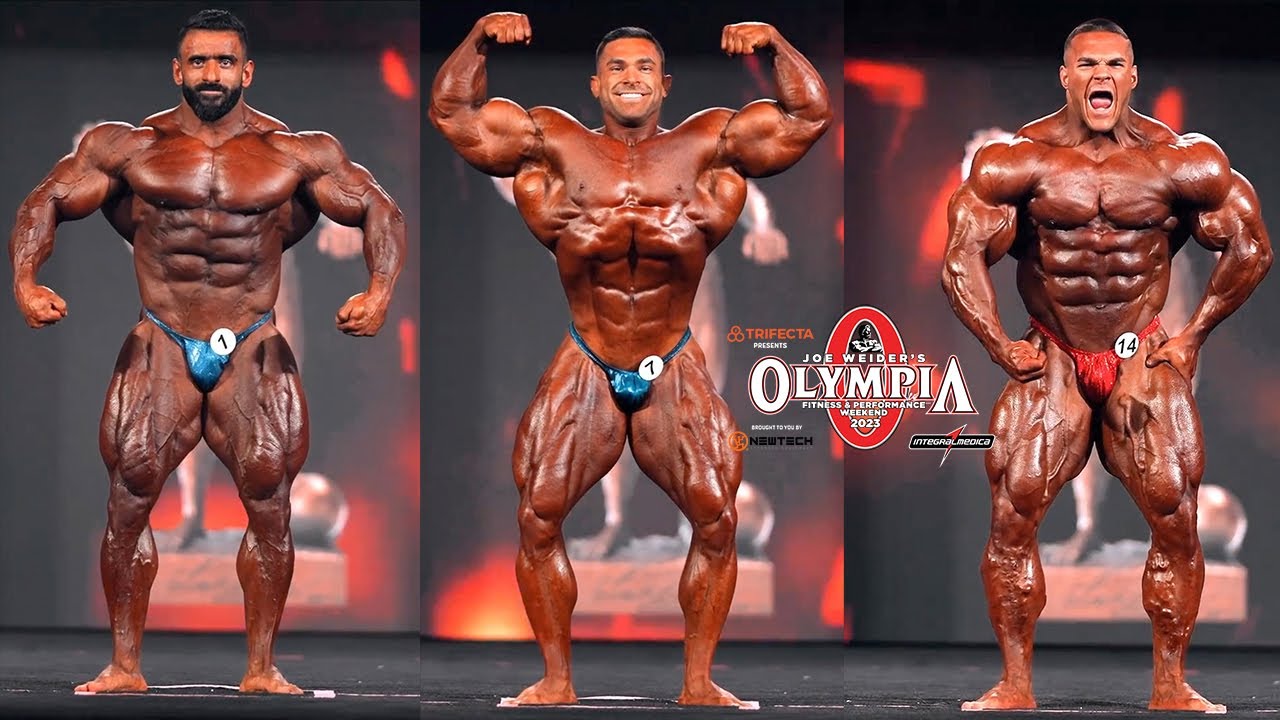
Bodybuilding is more than lifting weights—it is a philosophy centered on intentional muscle development, discipline, and aesthetic control. Unlike general fitness or strength training, bodybuilding prioritizes muscle hypertrophy and visual symmetry. This approach has produced some of the most impressive physiques in human history, but it also comes with clear trade-offs.
Understanding the philosophy, training methods, benefits, and risks is essential for anyone considering or already following this style of training.
The Core Philosophy of Bodybuilding
At its core, bodybuilding focuses on intentional muscle manipulation. Every exercise, repetition, and set is selected to target a specific muscle with the goal of maximizing growth and shape.
Key principles of bodybuilding include:
- Progressive overload
- Mind–muscle connection
- High training volume
- Aesthetic balance over raw strength
Unlike powerlifting or athletic training, success in bodybuilding is measured by muscle size, symmetry, and definition rather than performance alone.
Hypertrophy Training: The Engine of Muscle Growth
What Is Hypertrophy?
Hypertrophy refers to the increase in muscle fiber size caused by mechanical tension, metabolic stress, and controlled muscle damage. Bodybuilding programs are designed to emphasize these stimuli.
Typical hypertrophy training guidelines include:
- 6–15 repetitions per set
- Moderate to heavy loads
- Short to moderate rest periods
- High total weekly volume
The goal is to keep muscles under tension long enough to stimulate growth, rather than training for maximum strength or endurance.
Isolation Exercises: Precision Over Power
What Are Isolation Exercises?
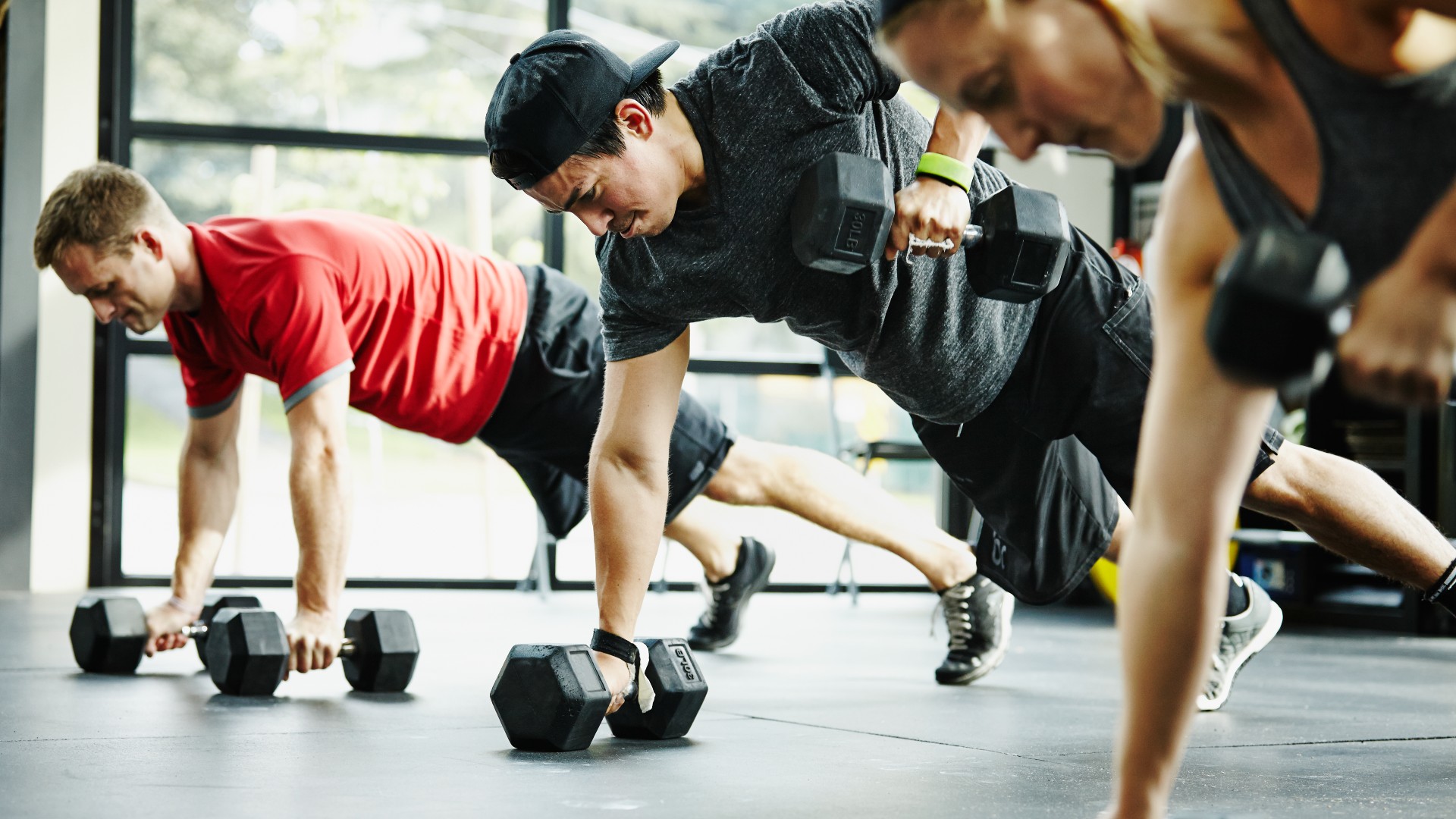
Isolation exercises are movements that primarily target a single muscle group while minimizing the involvement of others. Common examples include:
- Bicep curls
- Leg extensions
- Lateral raises
- Pec deck flyes
These exercises are fundamental in bodybuilding because they allow for precise muscle development, correction of imbalances, and improved mind–muscle connection.
Benefits of the Bodybuilding Approach
Muscle Size and Aesthetics
Bodybuilding is one of the most effective training methods for increasing muscle mass and achieving a balanced, aesthetic physique.
Improved Muscle Control
Slow, controlled repetitions improve neuromuscular coordination and enhance awareness of how each muscle contracts.
Bone Density and Metabolic Health
Resistance training supports bone strength and increases resting metabolic rate when performed consistently and responsibly.
Mental Discipline
Bodybuilding requires patience, structure, and consistency, fostering discipline that often extends beyond the gym.
Limitations and Drawbacks
Despite its benefits, bodybuilding has notable limitations:
- Limited transfer to real-world or athletic movement
- Time-intensive training sessions
- Risk of muscular imbalances when aesthetics are prioritized over function
Common Injuries and Risks in Bodybuilding
Bodybuilding itself is not inherently dangerous, but poor programming, excessive volume, and improper technique can increase injury risk.
Frequently Reported Injuries
- Shoulder impingement from excessive pressing and raises
- Elbow tendinitis from repetitive arm isolation
- Lower back strain due to fatigue or poor bracing
- Knee pain from leg extensions and high-volume leg work
- Muscle tears caused by overload or insufficient warm-up
Primary Risk Factors
- Excessive training volume
- Poor technique
- Ignoring recovery and mobility
- Training through pain
Reducing Risk and Training Smarter
To pursue hypertrophy while minimizing injury risk, lifters should:
- Prioritize proper technique over heavier weight
- Balance isolation exercises with compound movements
- Include structured warm-ups and mobility work
- Respect rest days and deload periods
- Address pain early instead of ignoring it
Conclusion
The bodybuilding philosophy provides a powerful framework for sculpting the human body through hypertrophy and isolation training. While its aesthetic benefits are undeniable, it requires balance, education, and respect for recovery to remain sustainable.
When approached intelligently, bodybuilding becomes more than a pursuit of size—it becomes a long-term practice of control, discipline, and physical self-mastery.
Yosri Gam
Member of the Harissa Fit Club team, sharing insights and inspiration for your fitness journey.
View All Posts